



Try our free AI Powered Acne Skin Analysis.



alcohol in cosmetics
How is it used in our products ?
We use vitamin E in all our cosmetic product categories for its antioxidant power. It is used to protect our formulas containing oxidation-sensitive ingredients such as fats.
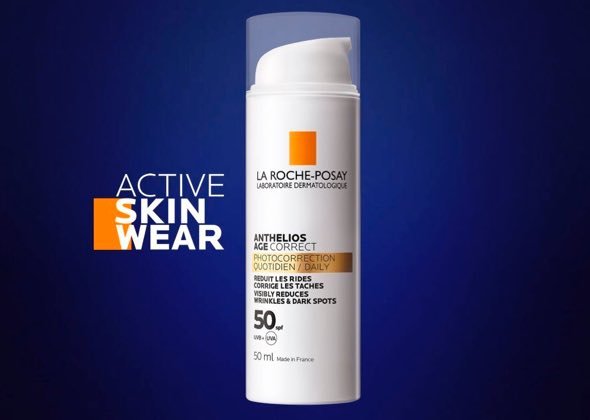
We use it in our skincare creams and suncare products for its moisturizing and antioxidant properties, to combat the harmful effects of free radicals caused by the sun's rays.
What are the benefits ?
Vitamin E in cosmetics is a powerful antioxidant widely used both to protect the formula from oxidation and for its benefits for the skin and hair. It helps reduce premature skin aging, thanks to its antioxidant action. Vitamin E reduces the oxidation of skin sebum and thus helps to strengthen the skin's lipid barrier. Vitamin E is very well tolerated even by atopic skin.
The Facts:
- A literature review1 explains that vitamin E has been used for more than 50 years in dermatology, and in many cosmetic products. It has been scientifically proven that vitamin E is one of the most powerful antioxidants. It is able to trap free radicals generated by the sun's rays, which are responsible for premature aging of the skin.
- A scientific study2 conducted in Mexico City shows that environmental exposure conditions, such as pollution, have a significant impact on skin quality. This study shows that the concentration of vitamin E, naturally present in skin sebum, is lower in people living in Mexico City, a place exposed to pollution.
- Several studies3,4,5,6 have shown that vitamin E has a positive effect on the photo-oxidation of sebum when exposed to sunlight or in an environment subject to pollution.
1 M.A. Keen & al. Vitamin E in dermatology. Indian Dermatol Online J. 2016 Jul-Aug; 7(4): 311–315
2 M.-A. Lefebvre & al. Evaluation of the impact of urban pollution on the quality of skin: a multicentre study in Mexico. International Journal of Cosmetic Science, 2015, 1–10
3 B. Boussouira & D.M. Pham. Squalene and Skin Barrier Function: From Molecular Target to Biomarker of Environmental Exposure. 2016. G.T. Wondrak (ed.), Skin Stress Response Pathways, chapter 2
4 Thiele & al. Ultraviolet A Induces Generation of Squalene Monohydroperoxide Isomers in Human Sebum and Skin Surface Lipids In Vitro and In Vivo. J Invest Dermatol. 120(6):915-22, (2003)
5 Thiele JJ & al. Sebaceous gland secretion is a major physiological route of Vitamin E delivery to skin. J Invest Dermatol 113,1006-1010, (1999).
6 Thiele JJ, Schroeter C, Hsieh SN, Podda M, Packer L. The antioxidant network of the stratum corneum. Curr Probl Dermatol 29, 26-42, (2001).
What is vitamin E ?
Vitamin E is a fat-soluble vitamin, which means it dissolves well in oil and fats. It is also known as alpha-tocopherol. Vitamin E is naturally present on the surface of the skin. It is found in large quantities in vegetable oils (avocado oil, sweet almond oil, olive oil or sunflower oil) and also in dried fruits (nuts) or fruits and vegetables (mango, kiwi, spinach and red peppers). Tocopheryl acetate is a vitamin E derivative often found in cosmetic products.
In our cosmetic products, it appears in the list of ingredients on the packaging under the name TOCOPHEROL and TOCOPHERYL ACETATE.
Where does it come from ?
Vitamin E may be of petrochemical or natural origin, i.e. extracted from plants or oil. The sources of vitamin E used in our ORGANIC products are ECOCERT certified.
Why is it used ?
Vitamin E is known for its health benefits. It is recommended to consume it regularly. It is used in the food industry as an additive to protect food from oxidation.
In cosmetics, vitamin E is used to enrich the skin and give it the benefit of its antioxidant and moisturizing properties.
Moisturizing
WE ARE #1 DERMATOLOGIST
RECOMMENDED SKINCARE BRAND
WORLDWIDE
*Source: survey on the dermocosmetic market carried out by IQVIA and other partners
(Ipsos, TNS) between November 2018 and July 2019 among dermatologists in 43
countries representing more than 80% of the worldwide GDP.
(Ipsos, TNS) between November 2018 and July 2019 among dermatologists in 43
countries representing more than 80% of the worldwide GDP.